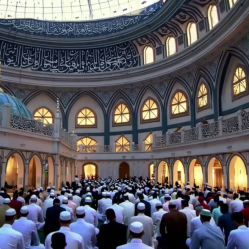
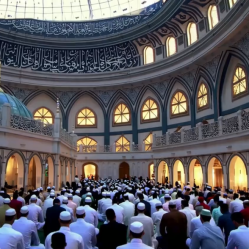
In Western countries, many Muslim communities face a real challenge when it comes to finding spaces for large gatherings, especially for important prayers like Friday and Eid. The high costs of real estate make it nearly impossible to build or buy mosques, and existing ones often can’t accommodate everyone. So, what do we do? Some turn to renting entertainment venues like dance halls or bars.
This book discusses the issue of renting churches for Friday and Eid prayers. It examines the different opinions on the permissibility of using non-Islamic places of worship for Islamic prayers, focusing on the legal and ethical stances surrounding this topic. The book addresses issues related to justice, religious considerations, and offers practical solutions for Muslims who face difficulties in finding appropriate prayer spaces in certain communities.
In Western countries, many Muslim communities face a real challenge when it comes to finding spaces for large gatherings, especially for important prayers like Friday and Eid. The high costs of real estate make it nearly impossible to build or buy mosques, and existing ones often can’t accommodate everyone. So, what do we do? Some turn to renting entertainment venues like dance halls or bars.
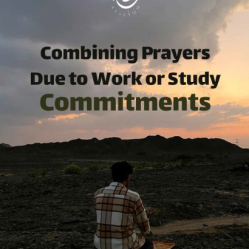
Muslims are required to perform five daily prayers at specific times. However, in non-Muslim countries, work and study commitments can make it challenging to observe these timings. Key issues include: 1. Work Schedules: Long or inflexible work hours can conflict with prayer times.
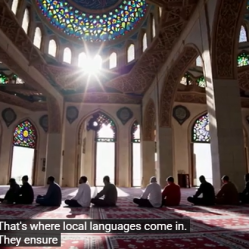
Delivering Friday sermons in local languages is not just a necessity; it’s a powerful way to connect with our diverse communities. Many of us come from different linguistic backgrounds, and when sermons are only in Arabic, it creates a barrier. Imagine sitting in a congregation, wanting to absorb the wisdom, but struggling to understand. That’s where local languages come in. They ensure that everyone, including new converts and non-Arabic speakers, feels included and empowered.
Delivering Friday sermons in local languages is not just a necessity; it’s a powerful way to connect with our diverse communities. Many of us come from different linguistic backgrounds, and when sermons are only in Arabic, it creates a barrier. Imagine sitting in a congregation, wanting to absorb the wisdom, but struggling to understand. That’s where local languages come in. They ensure that everyone, including new converts and non-Arabic speakers, feels included and empowered.
Scholars today recognize this need. Many permit delivering sermons in local languages, emphasizing effective communication and inclusivity. They argue that the essence of the message is lost if it’s not understood. Yet, some still advocate for preserving Arabic, suggesting a blend—delivering the sermon in Arabic followed by a translation. This way, we honor tradition while making the message accessible.
Ultimately, it’s about finding balance. Each community must weigh its unique circumstances and seek guidance from local scholars. By embracing local languages, we can ensure that everyone benefits from the sermons, fulfilling our religious duties with understanding and unity.
Challenges of Jumu'ah for Muslims in Non-Muslim Countries
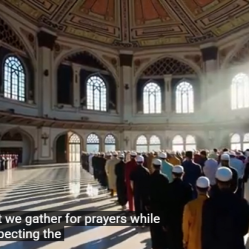
In many non-Muslim countries, Friday becomes a challenge for Muslims trying to fulfill their prayer obligations. Imagine rushing from work, only to find the mosque too small or too far away. Some mosques have started holding multiple Friday prayers to accommodate everyone, but is this acceptable in Islam?
On one hand, the Assembly of Muslim Jurists of America supports this practice, emphasizing the need to meet the community's needs. They argue that if a mosque can’t fit all worshippers, it’s necessary to hold more than one congregation.
On the other hand, some scholars warn against it, fearing it could divide the community. They suggest that if attending the main prayer is tough, individuals can pray Zuhr instead, preserving unity.
Ultimately, it’s about balancing our religious duties with practical realities. Each community must weigh these perspectives, guided by local scholars, to ensure that worship remains accessible while fostering a sense of togetherness.
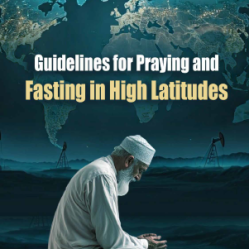
In polar regions, the length of days and nights can vary dramatically, creating challenges for Muslims in observing prayer times and fasting. Key issues include:
1. Long Days and Nights: In summer, days can be extremely long, and in winter, nights can be very long, making it difficult to determine prayer times and fasting periods.
dialogs
Login
Sorry, You must be logged in. Use link below to log in or sign up
Sign in